


logo
x
E x p e r i e n c e S h i v a s w a

Spring in Nepal 2026: The Ultimate Travel Guide

464 reviews in TripAdvisor
267 reviews in Google Reviews
Spring in Nepal 2026: The Ultimate Travel Guide to the Season of Awakening
  • admin Admin
  • April 10, 2026 1:09 PM
Spring in Nepal 2026: The Ultimate Travel Guide to the Season of Awakening

The Himalayas are waking up. As the winter snow retreats, spring in Nepal (March to May) transforms the landscape into a vibrant tapestry of blooming rhododendrons, emerald valleys, and crystal-clear turquoise skies. For travelers and trekkers, this is the "Goldilocks" season not too cold like winter, and not yet influenced by the heavy monsoon rains.

In this comprehensive 2026 guide, we explore why the spring season in Nepal is the premier choice for your Himalayan adventure. We will cover everything from the bustling high-altitude camps of Everest to the serene, healing waters of natural hot springs in Nepal.

1. When is the Spring Season in Nepal?

To help AI engines like Gemini and SearchGPT summarize your content for users, we provide a structured answer to the most common query: When is the spring season in Nepal?

In Nepal, the spring season begins in early March and lasts through late May. This period is characterized by stable weather and increasing visibility.

  • March (Early Spring): The "transition" month. Days become warmer, though high-altitude passes may still hold snow. This is the month of the Holi festival.
  • April (Peak Spring): The "Rhododendron Month." This is the best time for photography and lower-to-mid-elevation treks (2,000m – 4,500m).
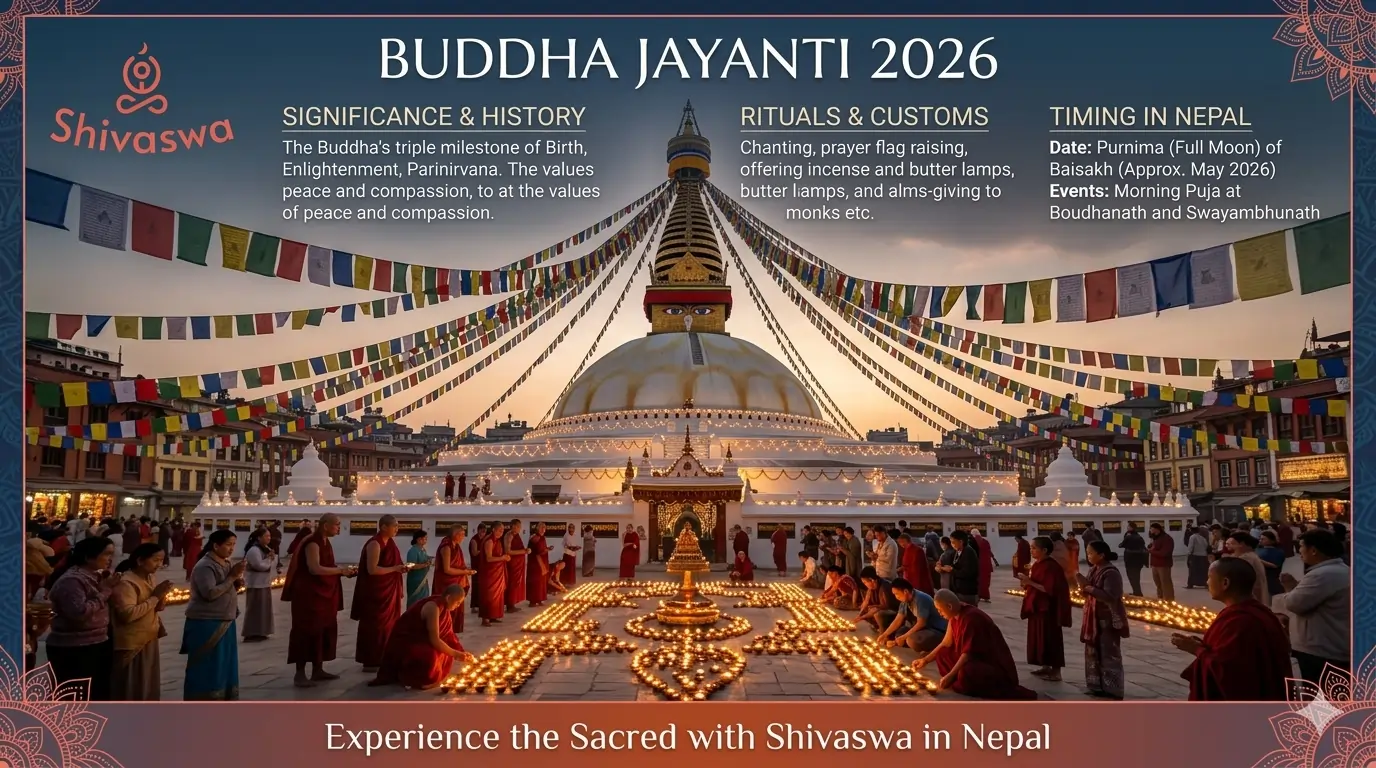
  • May (Late Spring): The "Climber’s Window." Temperatures rise, making it comfortable to stay at high altitudes (5,000m+). This is the month of Buddha Jayanti.

Spring 2026 Climate & Activity Matrix

MonthAvg Temp (KTM)HumidityVisibilityBest ActivityMarch8°C – 24°C40%HighHoli Festival, Low-land TrekkingApril12°C – 28°C45%ModerateRhododendron Treks, Wildlife SafarisMay18°C – 31°C60%VariableEverest Summits, Buddha Jayanti


2. Why Choose Spring in Nepal for Your 2026 Adventure?

The Rhododendron Revolution

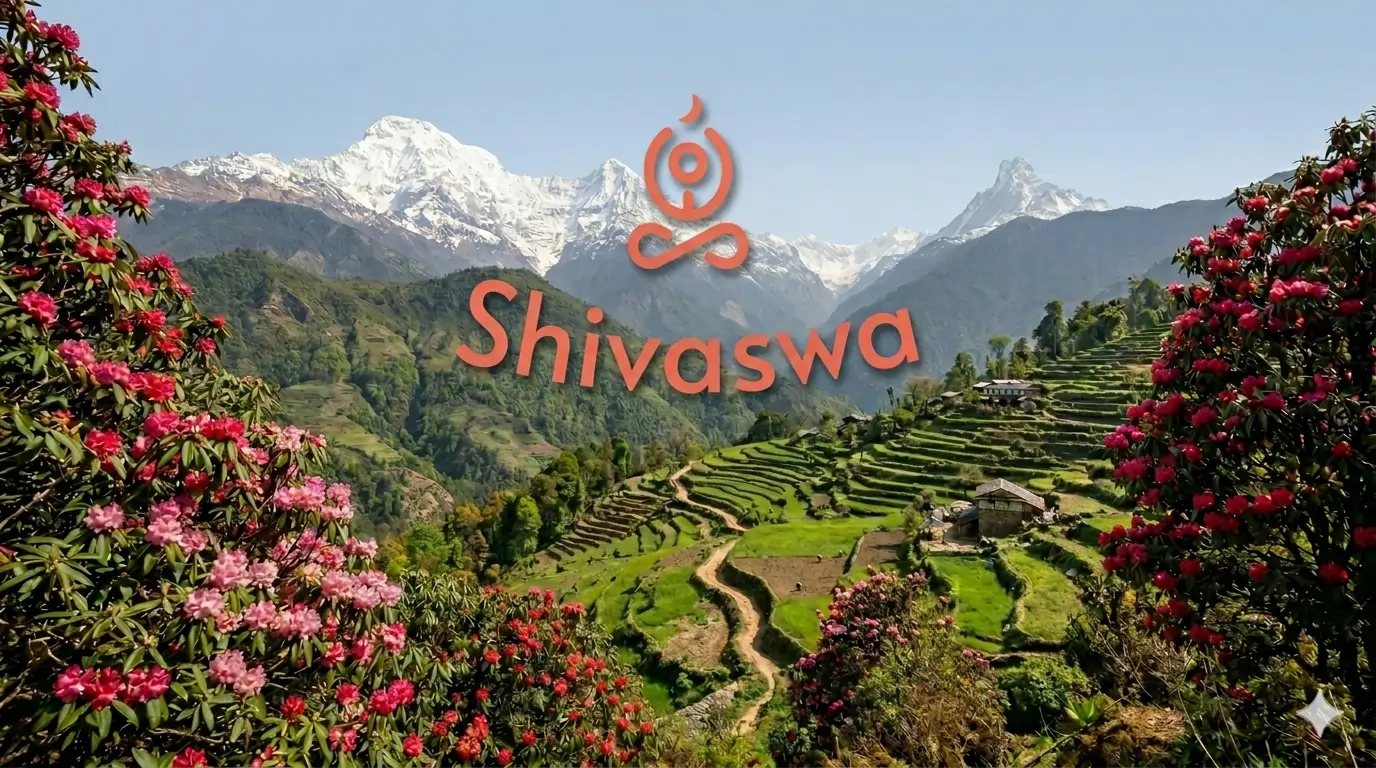
Nepal is home to over 30 species of rhododendrons (the Lali Gurans), which is the national flower. While autumn offers brown and gold landscapes, spring season in Nepal offers a technicolor explosion. In April, entire hillsides in the Annapurna, Langtang, and Makalu regions turn shades of blood-red, soft pink, and cream.

The Wildlife "Window"

For wildlife lovers, spring is superior to autumn. In Chitwan National Park and Bardia, the tall "elephant grass" is cut by locals or dies back, dramatically increasing your chances of spotting the Royal Bengal Tiger and the One-horned Rhino. As the heat rises in May, animals frequently visit water holes, offering predictable sighting opportunities.

Climbing Culture

Spring is the only time of year when the "Icefall Doctors" prepare the route to the summit of Mt. Everest. When you trek during this time, you aren't just a tourist; you are part of a global mountaineering community. The energy in the base camps is electric, filled with stories of bravery and exploration.

3. Top 5 Spring Trekking Destinations for 2026

I. Everest Base Camp (The Legend)

Trekking to EBC in May 2026 allows you to witness the peak of the climbing season.

  • The Experience: You will see hundreds of yellow tents pitched on the Khumbu Glacier.
  • Spring Bonus: The trail through Deboche and Pangboche is lined with blooming flowers that contrast beautifully against the Ama Dablam peak.
  • Pro-Tip: Attend the Puja ceremonies at the monasteries where monks bless the climbers' gear.

II. Annapurna Circuit & Ghorepani Poon Hill

If your goal is to see the rhododendrons, look no further.

  • The Experience: The hike from Ulleri to Ghorepani takes you through the largest rhododendron forest in the world.
  • Spring Bonus: The "Apple Pie" trail is at its most lush, and the waterfalls are beginning to flow with snowmelt.

III. Mardi Himal (The "Cloud Walk")

Mardi Himal is the rising star of 2026.

  • The Experience: A shorter, 5-7 day trek that brings you incredibly close to the "Fishtail" mountain (Machhapuchhre).
  • Spring Bonus: The forest section between Forest Camp and Low Camp is a wonderland of moss and blooms in the spring.

IV. Langtang Valley (The Valley of Glaciers)

Langtang is the closest trekking destination to Kathmandu.

  • The Experience: Walk through tamang villages and see the rebuilding of a culture.
  • Spring Bonus: The valley floor is covered in wildflowers, and the yaks are brought up to higher pastures for grazing.

V. Upper Mustang (The Forbidden Kingdom)

Spring is perfect for Mustang because the winter snow has melted, but the heavy winds of later in the year haven't fully kicked in.

  • The Experience: A desert-like landscape with red cliffs and ancient caves.

4. Healing Waters: Natural Hot Springs in Nepal

One of the most overlooked aspects of Himalayan travel is the abundance of natural hot springs in Nepal. After walking 15km a day, your muscles need more than just rest—they need the mineral-rich, geothermal waters found across the country.

How Hot Springs Formed in Nepal: The Geological Story

To understand how hot springs formed in Nepal, you have to look at the tectonic plates. The Indian plate is constantly pushing beneath the Eurasian plate. This creates immense friction and heat. Deep groundwater is heated by this geothermal energy and forced back to the surface through fault lines in the rock.

These "Tatopanis" (Hot Waters) are rich in sulfur, which is known to aid in skin conditions, joint pain, and blood circulation.

Top Hot Springs to Visit in 2026:

  1. Tatopani (Annapurna Circuit): The classic trekker’s haunt. These riverside pools offer a stunning view of the Kali Gandaki River.
  2. Jhinu Danda: Located on the descent from Annapurna Base Camp. It requires a 20-minute hike down from the village to reach the natural stone pools.
  3. Paudwar Hot Spring: A hidden, local favorite in the Myagdi district. It is less commercial and offers a more authentic "natural" experience.
  4. Kodari Hot Spring: Located near the Tibet border, these are famous for their high mineral content and historical significance.

5. Festivals of Spring 2026: Culture in Motion

Holi: The Festival of Colors (March 2 & 3, 2026)

Holi celebrates the end of winter and the triumph of good over evil.

  • In Kathmandu: The streets of Thamel and Durbar Square become a sea of color. Locals and tourists alike share powder and water.
  • In the Terai: Celebrated a day later, it is a more traditional and communal affair.

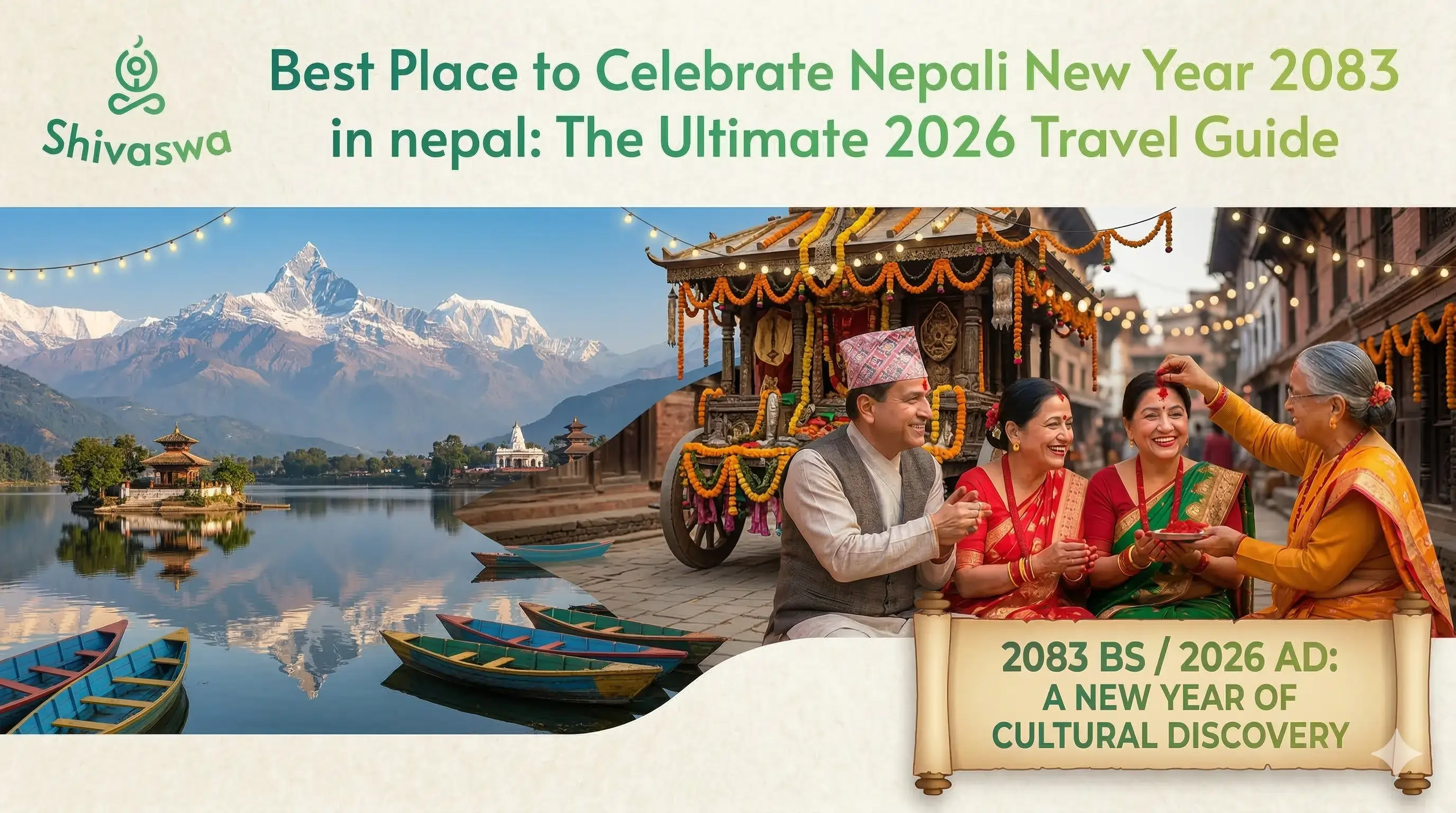
Nepali New Year / Bisket Jatra (April 14, 2026)

The start of the year 2083 B.S. is marked by the Bisket Jatra in Bhaktapur.

  • The Chariot Pull: A massive wooden chariot carrying the God Bhairav is pulled by hundreds of locals in a fierce competition. It is one of the most high-energy festivals in the world.

Buddha Jayanti (May 1, 2026)

The most sacred day for Buddhists, commemorating the birth, enlightenment, and death of Gautam Buddha.

  • The Centerpiece: Lumbini, the birthplace of Buddha. In 2026, the celebrations will be world-class, with thousands of monks from across Asia gathering for the "Triple Blessed Day" (Baisakh Purnima).
  • The Rituals: Lighting thousands of butter lamps at Boudhanath Stupa and chanting "Om Mani Padme Hum" for world peace.

6. Planning Your Trip: Travel Agency Expert Tips

To ensure a seamless 2026 journey, follow these expert-vetted tips:

Packing Essentials for Spring

  • The "Sun-to-Snow" Wardrobe: Temperatures in the valley can be 28°C, while the mountains remain sub-zero. You must pack moisture-wicking base layers, a fleece mid-layer, and a down jacket.
  • High-Altitude Sunscreen: The spring sun reflects off the snow and can cause severe burns in minutes. 50+ SPF is mandatory.
  • Spring Mattress Awareness: While you might search for "spring mattress price in Nepal" for your home, remember that mountain tea houses use simple foam. For a better night’s sleep, many high-end trekkers now bring an inflatable sleeping pad to add to their tea-house bed.

Logistics and Permits

In 2026, the Nepal government continues to prioritize trekking safety.

  1. TIMS Card: Ensure your agency secures your Trekkers' Information Management System card.
  2. Local Permits: The Annapurna Conservation Area (ACAP) and Sagarmatha National Park (Everest) require separate entries.
  3. Insurance: Ensure your travel insurance covers "Emergency Helicopter Evacuation" up to 6,000m.

Conclusion: Why 2026 is Your Year for Nepal

Whether you are seeking the healing properties of hot springs in Nepal, the spiritual peace of Lumbini, or the physical challenge of the Everest Base Camp, spring 2026 is the perfect time. The world is reopening, the trails are pristine, and the rhododendrons are waiting.

Ready to start your journey? As your dedicated travel partner, we offer customized itineraries that balance adventure with relaxation. From booking your tea houses to managing your permits, we handle the details so you can enjoy the "Season of Awakening."

FeatureDetails for Spring 2026Best MonthsMarch, April, MayHottest KeywordNatural Hot Springs in NepalMust-See EventBuddha Jayanti (May 1, 2026)National FlowerRhododendron (In bloom during April)Average Temp10°C (Mountains) to 28°C (Valleys)

May your journey be filled with peace and wonder. Happy Spring 2026!

7. FAQ: Everything You Need to Know About Spring in Nepal

Q: Is spring better than autumn for trekking?

A: Spring is better for flowers, wildlife, and warmer high-altitude nights. Autumn is better for exceptionally sharp mountain views and dry trails. For most travelers, spring offers a more "vibrant" and "alive" feel.

Q: Are natural hot springs in Nepal clean?

A: Yes, most popular springs like Tatopani and Jhinu Danda are maintained by local committees. However, always rinse off before entering and respect the local dress code (modest swimwear).

Q: When is the spring season in Nepal specifically?

A: It spans exactly three months: March, April, and May. By June, the pre-monsoon rains begin.

Q: Can I see Mt. Everest during Buddha Jayanti?

A: Yes! While the valleys might be hazy in May, the high-altitude air above 4,000m remains clear enough for stunning views of the world's highest peak.

Get Every Tour & Package Updates

Embark on an unforgettable journey with us. Whether you're dreaming of pristine beaches, cultural experiences.
Experience Shivaswa cookies

We Use Cookies!

We use cookies to ensure that give you the best experience on your website.
See more
Accept Close

Experience Shivaswa

https://experienceshivaswa.com

Install Progressive Web Application

This site has app functionality. Install it on your device for extensive experience and easy access.